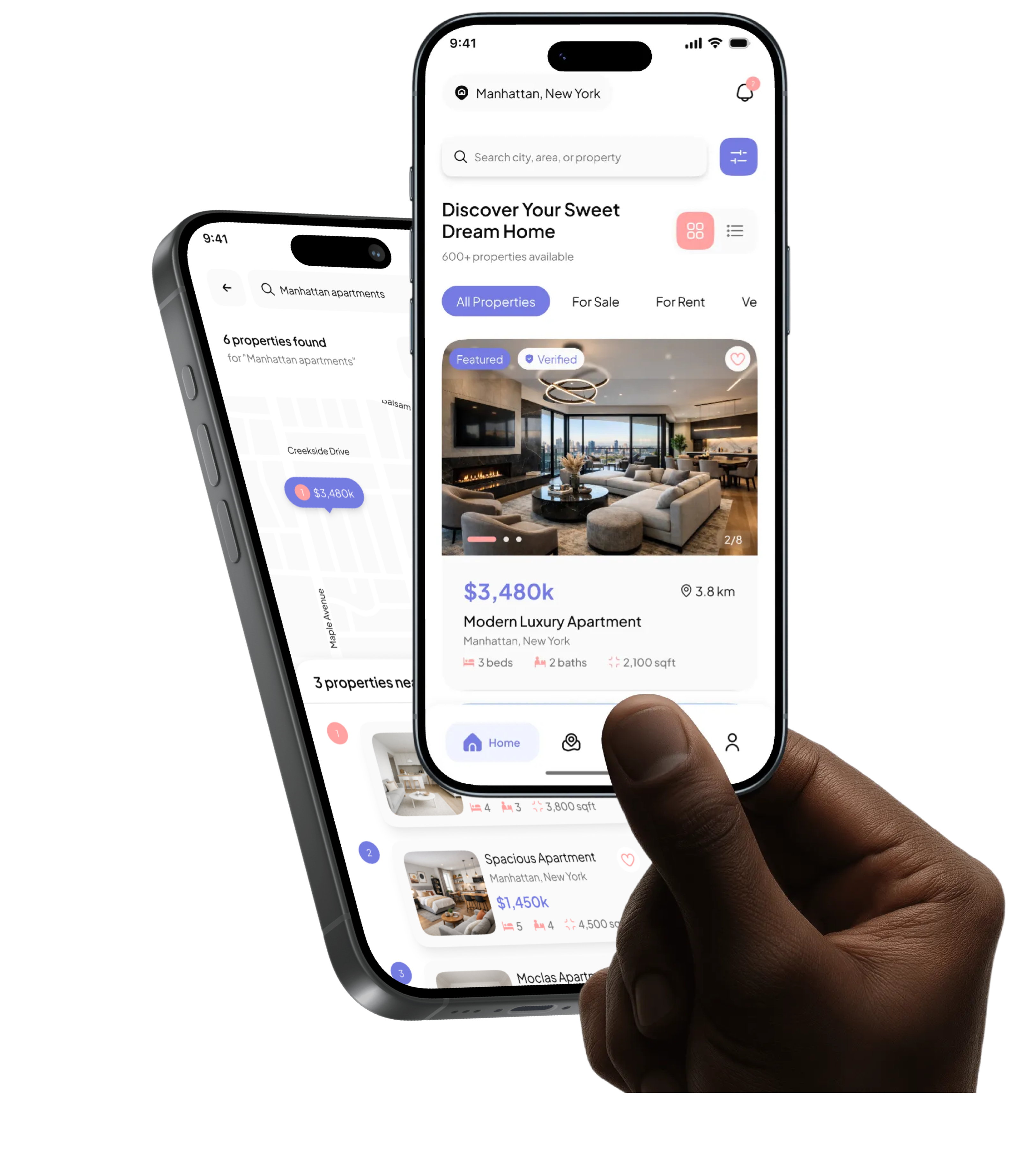
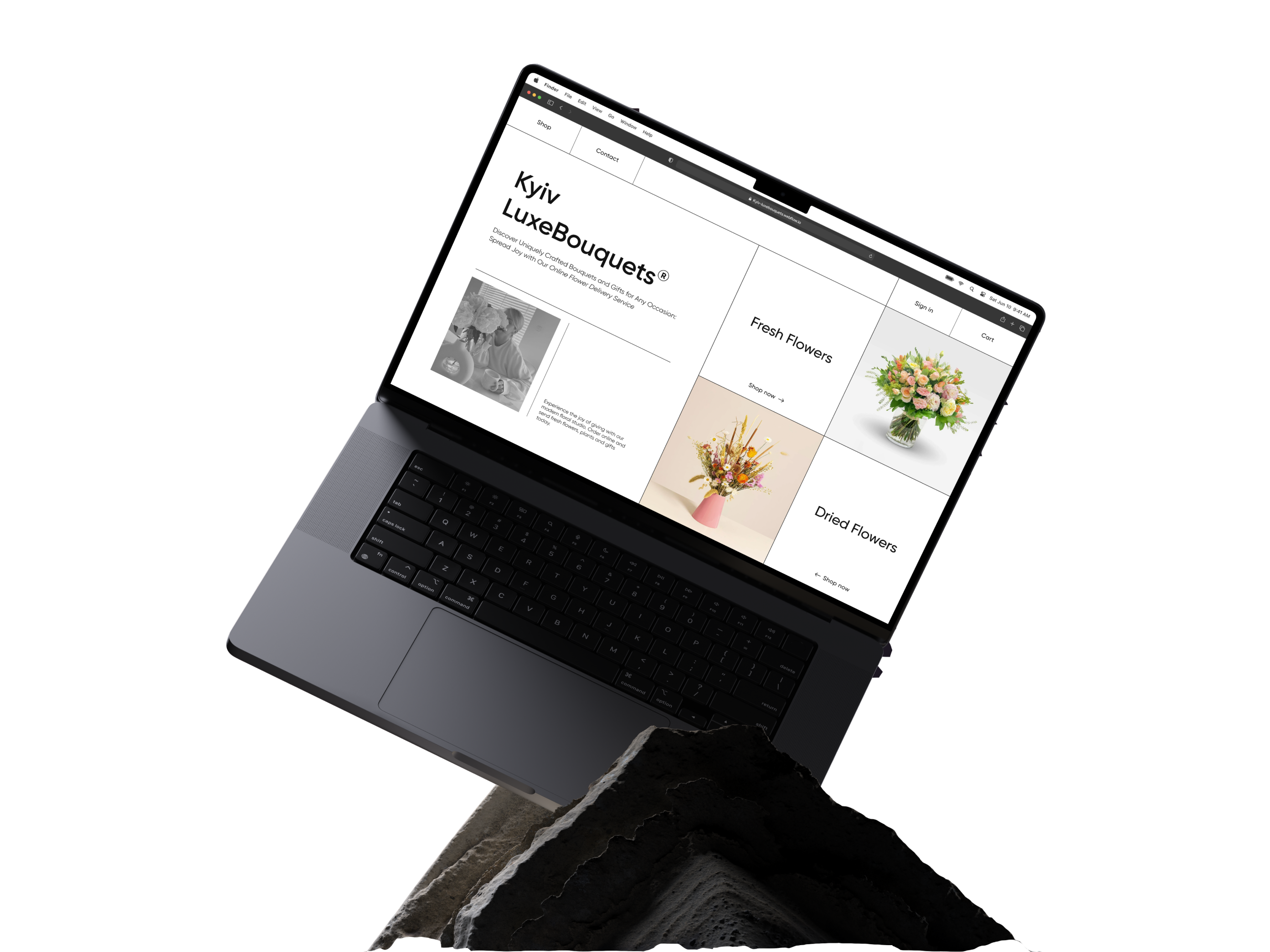
AI Mobile App Development
Build mobile experiences with AI assistants, recommendations, intelligent search and automation where product goals, available data and operating requirements support their use.
Design, build and scale mobile products with confidence.
For founders and product teams — discuss your app.
Discuss Your App












We design and engineer mobile products across iOS, Android and cross-platform environments, from focused first releases to complex platforms. Founders, product leaders and enterprises rely on us to turn product ideas into scalable digital experiences.
Start a projectWDI helps growing businesses and product teams plan, design, build and evolve mobile applications around defined user needs, business goals and technical requirements. Our mobile app development services cover AI-enabled apps, MVPs, native and cross-platform development, progressive web apps, and connected IoT or wearable experiences. WDI considers users, functionality, systems, integrations, device capabilities and the long-term product roadmap before recommending an approach.
Build mobile experiences with AI assistants, recommendations, intelligent search and automation where product goals, available data and operating requirements support their use.
Plan and build focused mobile MVPs around essential user journeys, core functionality and defined validation goals before committing to a broader product roadmap.
Develop applications for iOS and Android using a shared codebase where cross-platform delivery suits the required user experience, functionality and maintenance priorities.
Build dedicated iOS and Android applications when platform-specific performance, device capabilities, user experience or technical requirements justify native engineering.
Create installable web applications that deliver responsive, app-like experiences across supported devices without requiring a traditional native application for every platform.
Develop mobile experiences connecting wearables, sensors and supported devices where reliable data exchange, integrations and defined user interactions are required.
Mobile products often need more than application engineering alone. These related services support product definition, user experience, modernisation, web extensions, cloud delivery and additional development capacity as requirements evolve.
Update existing mobile applications to address ageing architecture, usability, performance or maintainability constraints.
 Discuss this service
Design clear mobile journeys, interfaces and interactions around user needs and product requirements.
 Journey map12 screens · 3 flowsPrototyped and validated with 8 users
Shape product concepts into defined journeys, prototypes and focused requirements for development.
Extend mobile products with supporting browser-based applications, portals or connected digital experiences.

Support application delivery through appropriate cloud environments, deployment processes and operational infrastructure.
Add defined engineering capacity to support ongoing product development, maintenance and roadmap delivery.
 Product leadFull-timeSenior engineerFull-time
 QA specialistPart-time
Building the app is only one decision. WDI helps you determine what should be built, how it should be built and what should come first — before expensive technical decisions become difficult to reverse.
Discuss Your App StrategyChoose based on product experience, device capabilities, roadmap and maintenance needs.
Prioritise the journeys and features required to validate the product without overbuilding.
Define mobile, backend, APIs, data, integrations and infrastructure around realistic scale requirements.
Select technologies based on product needs, maintainability, team requirements and future evolution.
Identify AI use cases that create genuine user or operational value before adding unnecessary complexity.
Assess whether redevelopment, migration, incremental modernisation or a new build offers the strongest path forward.
Turn ambitious mobile ideas into focused products with clear scope, journeys, architecture, priorities, and the right technology strategy.
From MVP boundaries to modernization roadmaps, WDI helps you make faster decisions, reduce risk, and build for scale.
Move from product idea to planned mobile application by defining users, journeys, functionality, architecture and release priorities before development begins.
Introduce useful AI capabilities into an existing mobile product where the use case, available data, application architecture and operating requirements support implementation.
Review existing applications to identify where architecture, interfaces, integrations or supporting systems should change before introducing new functionality or extending the roadmap.
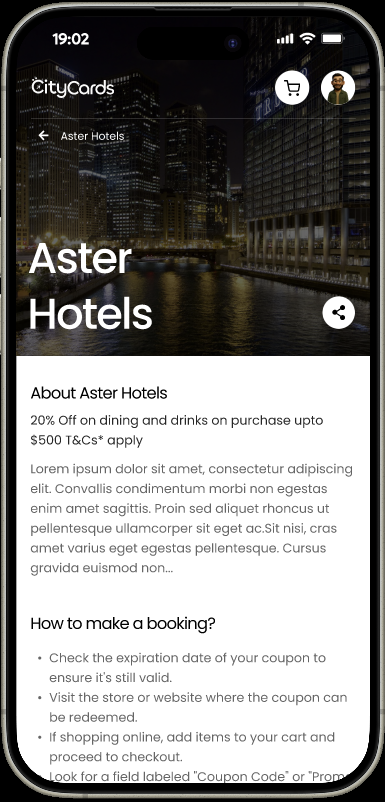
Create mobile access to customer services, information and workflows, supported by the authentication, integrations, APIs and backend systems required by the agreed product scope.
Connect mobile applications with existing software and services where suitable APIs, permissions and integration paths are available.
Digitise repeatable mobile activities through structured workflows that guide users, capture information and connect with supporting systems where appropriate.
Bring relevant application information into defined reporting views so product and operational teams can access clearer, more consistent data.
Plan enterprise mobile applications around user roles, integrations, operational workflows and future requirements, with architecture decisions shaped by expected use and long-term ownership.
 Read the article Recognition
See how our team can help bring your product idea to life.
Talk to Our ExpertsMobile requirements vary according to users, workflows, information, integrations and operating environments. WDI can shape mobile products around the specific application requirements of different industry contexts without assuming the same product model fits every organisation.
Develop mobile experiences around financial information, customer workflows and digital services where access controls, integrations and operating requirements are clearly defined.
01Create mobile products supporting healthcare or wellness journeys while accounting for user access, data handling, workflows and application-specific requirements.
02Build mobile learning experiences supporting content access, learner interactions, progress-related workflows and administrative functions according to the product model.
03Create transactional and engagement-focused mobile experiences designed around customer discovery, purchasing and recurring brand interactions, connected to the wider commerce estate.
04Create mobile products supporting content consumption, communication and community participation around defined audiences, workflows and moderation requirements.
05Build mobile applications supporting location-sensitive, operational and movement-related workflows where integrations, available data and user roles are understood.
06Develop connected or operational mobile experiences where supporting systems, device dependencies, data requirements and user workflows can be established before implementation.
07Build mobile experiences supporting property discovery, investment, management and post-transaction interactions across owners, tenants and investors.
08WDI starts by defining product goals, business workflows, requirements, dependencies, and delivery milestones. This helps teams align early and reduces confusion during development.
Planning discipline helps WDI turn unclear product requirements into structured, outcome-aligned delivery plans.
We structure requirements around workflows, milestones, readiness, and measurable outcomes before execution begins.
WDI maps technical, operational, and delivery risks throughout the engagement. This allows teams to plan mitigation strategies, control dependencies, and maintain project momentum.
Risk management helps WDI improve delivery reliability by identifying and controlling project risks early.
We identify risks, dependencies, blockers, and delivery challenges early so they can be managed before they affect execution.
WDI supports iterative execution while keeping scope, feedback, and changes under control. This allows products to evolve without creating unnecessary delays or delivery disruption.
Iteration control helps WDI balance flexibility with predictable software delivery.
We use defined iteration cycles, checkpoints, validation, and controlled scope updates to maintain delivery stability.
WDI keeps clients informed through structured communication, progress updates, milestone tracking, and collaborative workflows. This helps teams stay aligned across business, product, design, and engineering decisions.
Communication rigor gives clients visibility into progress, priorities, blockers, and delivery status.
We maintain clear communication, progress reporting, stakeholder alignment, and delivery visibility throughout the engagement.
WDI structures delivery with stage-wise reviews, quality checks, performance visibility, and governance practices that support reliable execution and long-term maintainability.
Delivery governance helps WDI maintain quality, accountability, and predictable progress across digital product engagements.
We use quality controls, delivery reviews, performance monitoring, and governance checkpoints to maintain execution standards.
WDI integrates AI into delivery workflows where it improves planning, development efficiency, validation, testing, optimization, and system performance without compromising reliability or control.
AI-enabled execution helps WDI improve delivery efficiency while maintaining structured oversight and quality control.
We use AI to support planning efficiency, development acceleration, quality assurance, testing, and performance monitoring.
Tell us what you are building, improving, or scaling. WDI will help you define the right execution path, delivery model, and technology approach.
A mobile application's technology foundation should reflect product requirements rather than a predetermined stack. WDI considers platform needs, backend services, integrations, data, deployment, security and performance when defining the technical approach.
Discuss your technology stackEngineer mobile applications for Apple and Android ecosystems according to product, platform and device requirements.
Use cross-platform frameworks where shared development supports the required experience and platform functionality.
Build supporting application logic and services required for mobile products, workflows and integrations.
Develop and integrate APIs that enable mobile applications and connected systems to exchange information.
Structure application data around product requirements, access patterns, integrations and supporting architecture.
Plan cloud environments around application architecture, deployment requirements, integrations and operating needs.
Establish development and deployment processes that support testing, controlled releases and continued product evolution.
Address access, data handling, authentication and integration requirements as part of mobile application planning.
Define monitoring and performance evaluation around agreed product behaviours, technical requirements and operating conditions.
AI can enhance a mobile product when it improves a defined experience or workflow. The appropriate capability depends on the use case, information available, product architecture, evaluation requirements and where human oversight remains necessary.
Adapt selected experiences using relevant user or behavioural information where suitable data and evaluation criteria exist.
Help users retrieve information or complete defined tasks through conversational interfaces with appropriate controls.
Use suitable historical information to support recommendations where available data can meaningfully inform future choices.
Help users find relevant content or information through search designed around the product's available data.
Extract or interpret information from supported documents and images where the use case allows.
Use AI within selected workflows where interpretation can reduce repetitive handling while retaining necessary oversight.
Analyse suitable interaction data to identify patterns that can inform product decisions.
Support defined customer questions and tasks through AI with clear information sources and escalation paths.
Share the goal, the users and the systems involved. We'll come back with a considered approach.
Discuss Your AppMobile and digital products WDI has designed, engineered and launched. Filter by industry to find work close to your world.
Talk to our team and we will share relevant experience from your industry.
Discuss Your AppHear from product and engineering leaders who've shipped real software with WDI.


Delivery experience, business understanding and end-to-end accountability across the product lifecycle.
Talk to a Mobile App ExpertProven delivery experience helps us anticipate problems, make better trade-offs and avoid costly mistakes before they reach development.
Industry and workflow experience helps us solve the real operational or customer problem — not simply build what is written in the brief.
We design role-based, integrated and workflow-heavy systems with the architecture and maintainability needed for serious business use.
We consider access, data protection, performance, scalability and compliance early — rather than treating them as problems to solve at the end.
We connect commercial goals, user experience and engineering decisions so every major product choice supports the outcome you need.
Discovery, design, engineering, QA, deployment and ongoing improvement stay connected under one accountable delivery relationship.
These answers explain how WDI approaches mobile strategy, platform selection, engineering, quality, store release and long-term support.
If your question is not answered here, a mobile product specialist can address it directly in a consultation.
Just the essentials — your name and the best way to reach you. A real person at WDI takes it from here.